
 ← All stories
FIELD REPORT · Camping & Outdoor
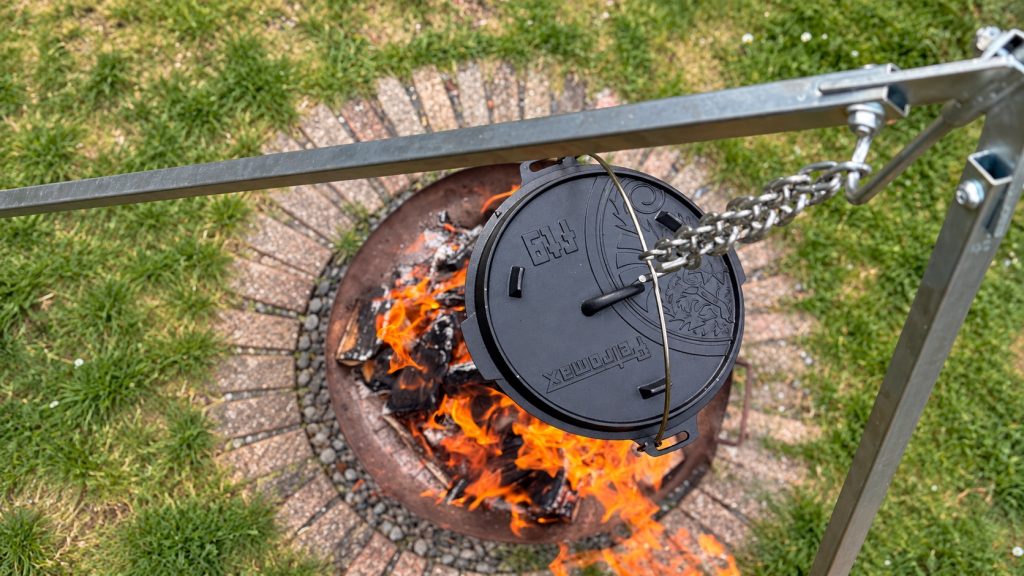
A fire below, a Dutch oven hanging from a chain above it. That’s my garden cooking setup: a Petromax tripod, a fire bowl and a hefty cast-iron pot. What matters to me is that it stands firmly and is easy to handle, even with gloves on.
I really like the tripod. It feels sturdy, the adjusters are easy to grip, and I have no complaints about the pot. One thing is a bit fiddly, though: lifting the lid while the Dutch oven is hanging from the tripod. More on that in a moment.
For clarity: I bought all the equipment featured here myself. Petromax has not sponsored this article. These are my own experiences and original photos. The magazine images have been edited using AI based on my photographs; they are not unaltered originals.
01 / FIELD NOTE
My Petromax tripod: a sturdy base above the fire
Stability is the first thing I look for in a tripod. A full Dutch oven is heavy, and I don’t want the whole setup wobbling as I handle it. Mine has felt very sturdy, both on the firm, smooth surfaces where I’ve used it and on uneven ground.
That’s my experience with my own setup, not a guarantee for every surface. Even a heavy frame can slip on slippery ground or sink into soft soil. Petromax’s instructions specifically warn against surfaces that are too smooth or too soft. So I check the ground before lighting the fire or hanging the pot.
I also find the small screw-in spikes on my setup useful. On suitable ground, they can provide extra grip. They don’t replace a firm surface or careful positioning, though. If you’re buying a tripod, check whether that particular version includes them.
02 / FIELD NOTE
Adjusting the height, even with gloves on
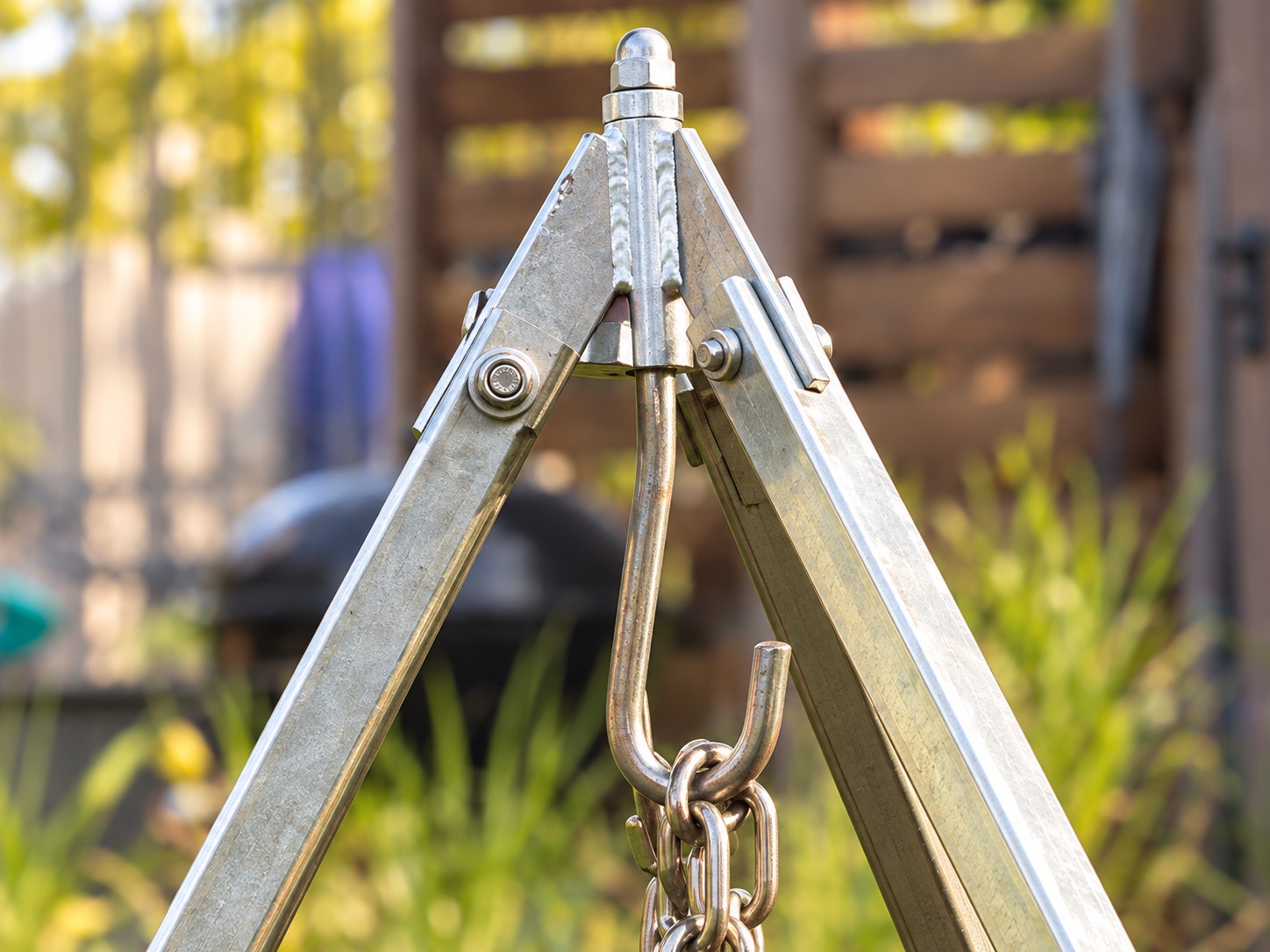
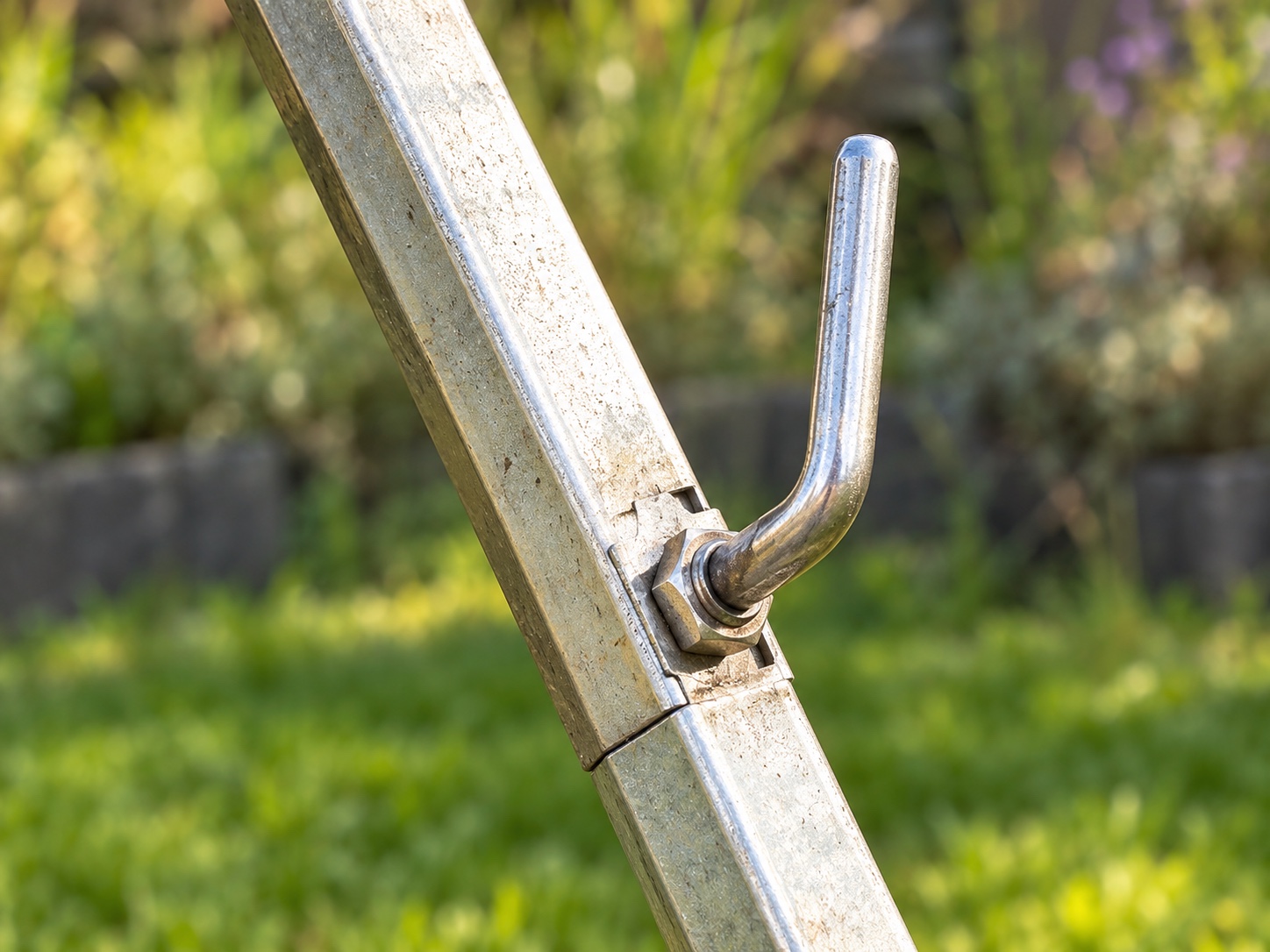
One thing I particularly like is being able to grip the locking handles properly with gloves on. Set the height, position the legs, tighten everything up: I don’t have to keep taking my gloves off. It sounds like a small detail, but it makes the tripod much nicer to use.
Each leg of the D1 adjusts independently and continuously, so you can account for uneven ground. The chain then sets the distance between the pot and the fire. They do different jobs: the legs position the frame, while the suspension sets the pot’s height.
I adjust the legs before cooking. Once a heavy pot is hanging over the fire, you shouldn’t be moving the frame around. The instructions are clear on that too: don’t move the tripod while it’s in use or with cookware hanging from it.
What wins me over is the tripod’s solid stance and controls I can use with gloves on.
03 / FIELD NOTE
The Dutch oven: simply a good pot
I can keep this short: the Dutch oven does its job. I have nothing to complain about. You can probably get a good cast-iron pot from another brand for less. I haven’t compared them myself, though, so I’ll stick to what I know about this one.
I care more about whether a pot suits my cooking setup than the logo on its lid. If I were buying one, I’d look at size, weight and the shape of the base first. And at what’s actually included.
Cast iron holds heat well, but it’s heavy. The ft9-t has a flat base without feet, which affects where you can set it down and which cooking surfaces it suits. According to Petromax, the inverted lid can also be used as a frying pan. That’s a manufacturer-stated feature, not something I’m claiming to have tested here.
04 / FIELD NOTE
The fiddly bit: lifting the lid beneath the suspension
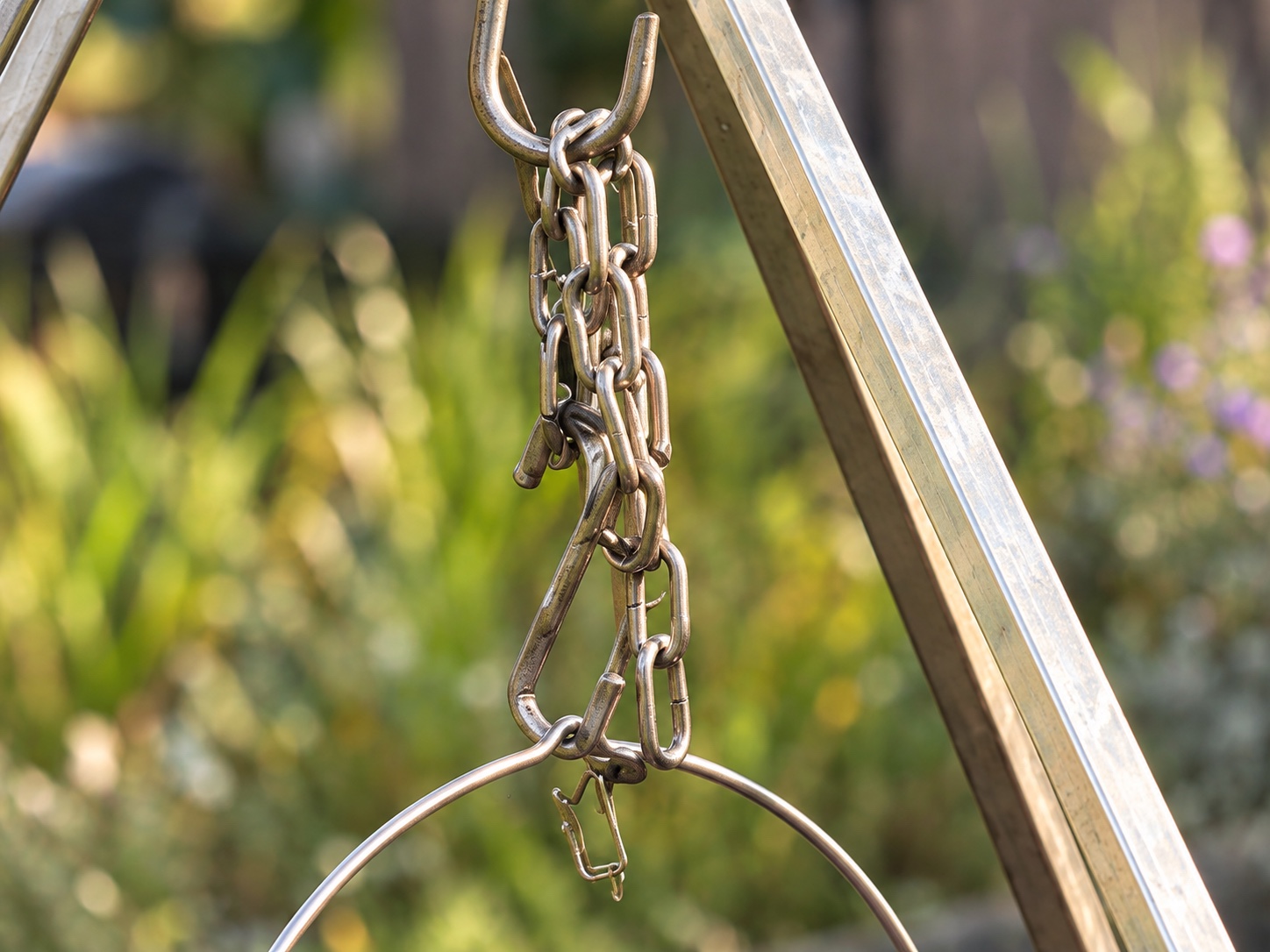
Lifting the lid is the awkward part. The pot hangs by its bail, with the hook and chain above it. That’s exactly where you need space to lift the lid. It works, but with this combination it isn’t quite as convenient.
I don’t see it as a problem with the pot alone, but with the combination. When the Dutch oven is standing on its own, there’s room above it. When it’s hanging up, the bail and chain get involved. Try it with the setup cold before your first cook.
That also helps you work out where to put a heatproof resting place for the lid. When the pot is hot, use suitable dry heat-resistant gloves and a proper lid lifter. Forcing a stuck lid or shifting the whole frame isn’t the answer.
05 / FIELD NOTE
Technical details: manufacturer specifications, not my measurements
These figures come from the manufacturer; I haven’t measured them myself. Checked on 15 October 2026. The ft9-t figures are included for model comparison only: the exact version of the pot in my photos has not been conclusively confirmed.
Petromax D1 tripod
- Material: galvanised steel.
- Working height: approximately 88–144 cm.
- Packed dimensions: approximately 98 × 12 × 12 cm.
- Maximum load stated by the manufacturer: 40 kg.
- Independently and continuously adjustable legs; chain and hook suspension.
- Weight: the current product page lists 4.76 kg; the older manual linked below gives 4.3 kg. Figures vary between versions and are not a measured weight for my own tripod.
Source: Petromax – tripod with chain and hook and the linked D1 instruction manual.
For comparison: Petromax ft9-t specifications
- Pot material: cast iron.
- Pot capacity: 7.5 litres.
- Version: flat base without feet.
- Manufacturer’s guide: serves 8–14, depending on the dish and portion size.
- Pre-seasoned surface (“Seasoned Finish”).
- Bail handle for hanging; inverted lid also usable as a frying pan.
Source: Petromax – ft9-t Dutch oven. Weights given for complete sets are not presented here as the weight of the pot alone. The contents of a set may also differ from what came with my separate purchase.
06 / FIELD NOTE
What I like, and what’s worth knowing
For me, this combination suits a fixed fire pit or a cooking spot you can reach by vehicle. A steel tripod and a cast-iron pot aren’t lightweight hiking gear. What you get instead is a setup built around stability and straightforward handling.
The positives are clear to me: the tripod stands firmly, the locking handles are easy to grip, and the pot does its job. I’d just like a little more space when lifting the lid.
An open fire also needs a suitable location, clearance from flammable materials and supervision. Follow the instructions for the equipment you’re using. Good photos and a sturdy-looking frame don’t make a fire pit safe on their own.
You’ll find more of my experiences with stoves and equipment in my Gear Reviews. For more ideas for cooking over a fire, head to Outdoor Cooking.
07 / FIELD NOTE
My verdict: a solid setup with one small quirk
All in all, I’m happy with the combination. The tripod is the standout for me: sturdy, easy to adjust and manageable with gloves on. The Dutch oven does what it’s meant to do. I don’t need to make it sound more remarkable than that.
Lifting the lid is still a bit fiddly. I can live with that, but it’s something I’d want to know before buying. If the weight doesn’t put you off and you have room for a safe fire pit, this way of cooking is worth a closer look.
Bought by me. Used by me. My own photos. And an honest verdict that doesn’t leave out the awkward bit.
Your experience or question